
Foods to avoid with SIBO can feel like a constantly shifting puzzle, especially when you’re standing in the grocery store trying to figure out what’s safe to eat. Maybe you’ve been loading your cart with “healthy” foods—whole grains, beans, plenty of vegetables—only to find yourself bloated and uncomfortable hours later. Perhaps you’ve noticed that the spinach salad leaves you fine, but the cauliflower rice triggers hours of distension. You might be exhausted from the trial-and-error process, wondering why foods that are supposed to be good for you seem to make your gut worse.
The confusion around SIBO food triggers is real, and it stems from the fact that many nutritious, fiber-rich foods are also highly fermentable—exactly what bacteria in your small intestine love to feed on. Understanding which foods commonly worsen SIBO symptoms isn’t about creating permanent food fear. It’s about giving yourself a temporary structure that reduces fermentation while you address the underlying bacterial overgrowth.
This isn’t a forever list. It’s a reset tool to help you identify your personal triggers and calm symptoms during treatment.
Table of Contents
ToggleWhy Certain Foods Trigger SIBO Symptoms
To understand why specific foods worsen SIBO symptoms, it helps to understand what’s happening when bacteria overgrow in your small intestine.
The Fermentation Problem
When you have SIBO, bacteria that should be concentrated in your large intestine have migrated upward into your small intestine. These bacteria are opportunistic—they ferment whatever carbohydrates you eat, producing gases like hydrogen and methane as byproducts.
In a healthy gut, most fermentation happens in the colon where it’s supposed to occur. But when bacteria are overgrown in the small intestine, fermentation begins prematurely, creating gas in a space that isn’t designed to handle it comfortably.
Gas Production and Symptoms
The gases produced during fermentation—hydrogen, methane, and sometimes hydrogen sulfide—are what create many SIBO symptoms:
- Bloating and distension from gas accumulation
- Abdominal pain and pressure as gas stretches the intestinal walls
- Changes in bowel movements (diarrhea or constipation depending on gas type)
- Belching or reflux as gas moves upward
The FODMAP Connection
FODMAP stands for Fermentable Oligosaccharides, Disaccharides, Monosaccharides, and Polyols—types of short-chain carbohydrates that are particularly attractive to bacteria. These carbohydrates are poorly absorbed in the small intestine, which means they’re readily available for bacterial fermentation.
When you have SIBO, reducing high-FODMAP foods temporarily limits the fuel available to bacteria, which can significantly reduce gas production and the uncomfortable symptoms that follow.
Why “Healthy” Foods Can Trigger Symptoms
This is the confusing part: many high-FODMAP foods are nutritious and beneficial under normal circumstances. Garlic supports immune health. Beans provide protein and fiber. Apples offer vitamins and antioxidants. But when bacteria are overgrown in the wrong location, these same foods become symptom triggers because bacteria ferment them so efficiently.
It’s not that these foods are “bad”—it’s that your gut temporarily can’t handle the fermentation they create.
Foods to Avoid with SIBO - High FODMAP
During the elimination phase of a Low FODMAP approach, these are the foods most commonly associated with SIBO bloating triggers and symptom flares.
Vegetables
Many vegetables are high in FODMAPs and may worsen symptoms:
- Onion (all types—white, yellow, red, shallots)
- Garlic (fresh, powdered, or in prepared foods)
- Cauliflower
- Broccoli (large portions)
- Cabbage
- Brussels sprouts
- Asparagus
- Mushrooms
- Artichokes
- Leeks
- Sugar snap peas
- Snow peas
These vegetables are high in fructans (a type of oligosaccharide) or polyols, both of which are readily fermented by bacteria.
Fruits
Several fruits are high in excess fructose or polyols:
- Apples
- Pears
- Mango
- Watermelon
- Cherries
- Peaches
- Plums
- Nectarines
- Apricots
- Avocado (more than 1/8 of a whole fruit)
- Dried fruits (dates, raisins, prunes)
- Fruit juice (especially apple, pear)
Even though fruit is healthy, the fructose and polyol content in these varieties can trigger significant fermentation when bacteria are overgrown.
Grains and Carbohydrates
Gluten-containing grains and certain other carbs are high in fructans:
- Wheat (bread, pasta, crackers, flour)
- Rye (bread, crackers)
- Barley
- Regular pasta (wheat-based)
- Couscous
- Bran cereals
- Wheat-based crackers and baked goods
Note that it’s the fructan content—not the gluten itself—that typically triggers SIBO symptoms, though some people react to both.
Dairy Products
High-lactose dairy products can be problematic:
- Milk (cow, goat, sheep)
- Ice cream
- Soft cheeses (ricotta, cottage cheese, cream cheese)
- Yogurt (regular, not lactose-free)
- Sour cream
- Custard
- Buttermilk
Lactose is a disaccharide that bacteria ferment readily. Many people with SIBO notice dairy triggers symptoms even if they didn’t previously consider themselves lactose intolerant.
Legumes
Beans and lentils are high in galacto-oligosaccharides (GOS):
- Black beans
- Kidney beans
- Chickpeas (garbanzo beans)
- Lentils (all types)
- Soybeans
- Split peas
- Baked beans
- Hummus (due to chickpea and garlic content)
While legumes are nutritious protein sources, their high GOS content makes them common SIBO bloating triggers.
Sweeteners and Sugar Alcohols
Several sweeteners are high-FODMAP:
- Honey
- Agave
- High-fructose corn syrup
- Sorbitol
- Mannitol
- Xylitol
- Maltitol
- Isomalt
These are often found in sugar-free products, gum, mints, and processed foods labeled “diet” or “low-sugar.”
Nuts and Seeds (in larger portions)
Some nuts are high in GOS or fructans:
- Cashews
- Pistachios
Most other nuts are low-FODMAP in small portions (about 10-15 nuts), but become high-FODMAP in larger amounts.
Hidden High FODMAP Foods
One of the trickiest aspects of avoiding foods to avoid with SIBO is that FODMAPs hide in unexpected places. You might be accidentally triggering symptoms from foods you assume are safe.
Sauces and Condiments
Many prepared sauces contain onion, garlic, or high-FODMAP ingredients:
- Marinara and tomato sauces (usually contain garlic and onion)
- Salad dressings (check for garlic, onion, honey)
- BBQ sauce (often contains onion and high-fructose corn syrup)
- Teriyaki sauce (often contains garlic)
- Ketchup (some varieties contain high-fructose corn syrup)
- Stock and broth (conventional varieties often have onion and garlic)
Reading ingredient labels becomes essential, as even “healthy” or “organic” products often include these fermentation triggers.
Seasoning Blends
Pre-mixed seasonings are frequent culprits:
- Garlic powder
- Onion powder
- Mixed spice blends (Italian seasoning, taco seasoning, etc.)
- Stock cubes and bouillon (typically contain onion and garlic)
Many people don’t realize that even powdered forms of garlic and onion contain FODMAPs and can trigger symptoms.
“Healthy” Protein Bars and Snacks
Products marketed as gut-healthy or high-fiber often contain SIBO triggers:
- Bars with chicory root (inulin—a prebiotic fiber high in fructans)
- Protein bars with sugar alcohols (sorbitol, maltitol)
- Granola and trail mix (often contain cashews, dried fruit, honey)
- Energy balls (usually contain dates, cashews, honey)
The irony is that these products are designed to support digestive health, but when you have SIBO, the prebiotic fibers and fermentable ingredients make symptoms worse.
Prebiotic Supplements and Fiber Products
Products specifically designed to feed gut bacteria can backfire with SIBO:
- Inulin supplements
- FOS (fructooligosaccharides)
- Psyllium husk (can be problematic for some)
- “Gut health” powders with prebiotics
- Resistant starch supplements
While these support beneficial bacteria in healthy guts, they feed overgrown bacteria in SIBO, potentially worsening symptoms.
Restaurant Foods
Dining out becomes challenging because:
- Most restaurant cooking uses garlic and onion liberally
- Sauces and marinades typically contain high-FODMAP ingredients
- Cross-contamination is common
- It’s difficult to control ingredients you can’t see
This doesn’t mean you can never eat out, but it requires careful navigation and communication with restaurant staff.
Common Mistakes When Removing Foods
Understanding where people typically struggle with food elimination can help you avoid unnecessary setbacks.
Cutting Too Much at Once
Some people eliminate not just high-FODMAP foods but also entire food groups, low-FODMAP options they’re uncertain about, or anything that “might” cause issues. This creates overly restrictive eating that can lead to:
- Nutritional deficiencies
- Disordered eating patterns
- Increased food anxiety
- Social isolation
- Unsustainably narrow diets
Stick to eliminating confirmed high-FODMAP foods rather than everything that feels scary.
Staying Restricted Too Long
The Low FODMAP elimination phase is designed to last 2-6 weeks, not months or years. Staying on a restrictive diet indefinitely can:
- Reduce microbiome diversity
- Limit nutrient intake
- Create psychological dependence on restriction
- Make it harder to expand your diet later
The goal is to identify triggers through systematic reintroduction, not to restrict permanently.
Ignoring Root Causes
Food avoidance manages symptoms but doesn’t address why you have SIBO in the first place. If you’re not also working on:
- Reducing bacterial overgrowth through antimicrobial protocols
- Supporting gut motility
- Addressing low stomach acid or other root causes
- Managing stress
You’re likely to remain dependent on dietary restriction without achieving deeper healing.
Not Reintroducing Foods
Many people get stuck in the elimination phase because it feels “safe.” But the reintroduction phase is where you gain personalized information about which specific FODMAPs trigger your symptoms.
Without reintroduction:
- You don’t know which foods you actually need to avoid long-term
- You miss opportunities to expand your diet
- You remain uncertain about your true tolerance levels
Forgetting That Portions Matter
With FODMAPs, dose matters. A small amount of a food might be fine, while a larger portion triggers symptoms. For example:
- 1/8 of an avocado is low-FODMAP; 1/2 is high
- 10 cashews might be tolerable; a handful might not be
- A small amount of broccoli could be okay; a large serving might cause bloating
Learning your personal thresholds requires experimentation during reintroduction.
What You Can Eat Instead
While the list of foods to avoid with SIBO can feel overwhelming, plenty of SIBO safe foods remain available during elimination.
Low FODMAP Swaps
You can replace high-FODMAP foods with low-FODMAP alternatives:
Instead of onion and garlic: Use garlic-infused oil (with garlic pieces removed), chives (green parts), fresh herbs, ginger
Instead of wheat pasta: Try gluten-free pasta, rice noodles, zucchini noodles
Instead of milk: Use lactose-free milk, almond milk (unsweetened), coconut milk
Instead of apples: Enjoy strawberries, blueberries, oranges, kiwi
Instead of cauliflower: Try zucchini, carrots, bell peppers, green beans
Instead of beans: Choose firm tofu, tempeh (small portions), eggs, meat, fish
Building SIBO-Safe Meals
Focus on:
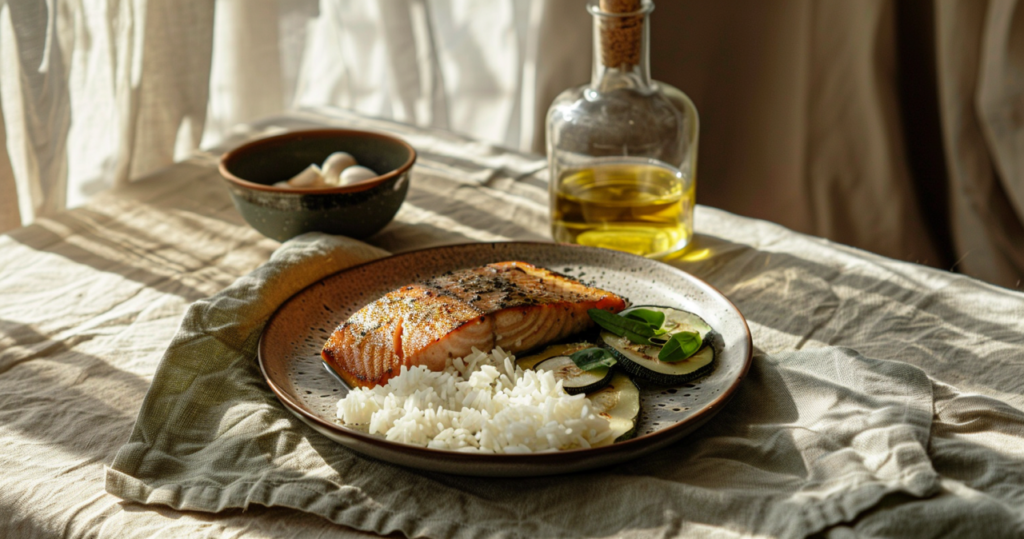
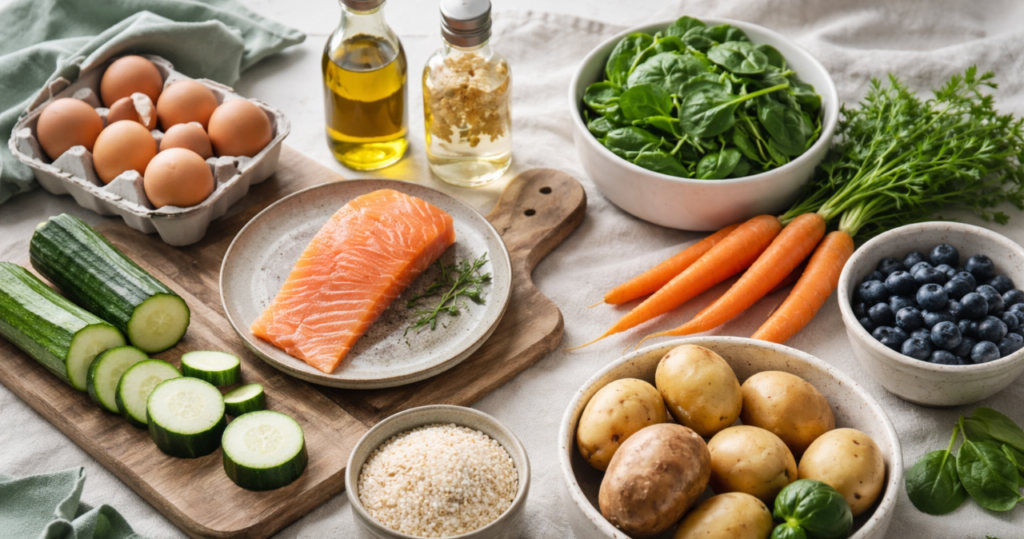
- Proteins: Eggs, chicken, turkey, fish, beef, pork
- Low-FODMAP vegetables: Spinach, zucchini, carrots, tomatoes, cucumbers
- Safe carbs: White rice, quinoa, potatoes, gluten-free bread
- Healthy fats: Olive oil, coconut oil, butter, small amounts of avocado
- Low-FODMAP fruits: Berries, citrus, kiwi, cantaloupe (small portions)
Structured Meal Planning
Rather than guessing what to eat each day, having a structured meal plan can reduce decision fatigue and ensure you’re getting adequate nutrition while avoiding triggers.
If you’re looking for a simple starting framework, our 7 Day Low FODMAP Meal Plan for Beginners provides straightforward recipes using SIBO-safe foods that don’t require complicated ingredients or extensive cooking. For more comprehensive context on how elimination, reintroduction, and rebuilding work together, the Low FODMAP for SIBO: The Beginner’s Reset Guide walks through each phase in detail.
Moving Beyond Food Restriction
Understanding foods to avoid with SIBO gives you a temporary structure for managing symptoms, but it’s just one piece of the healing puzzle. The goal isn’t to live on a restricted diet forever—it’s to calm fermentation while addressing the bacterial overgrowth itself.
As you navigate elimination and eventual reintroduction, remember that:
- Low FODMAP is a diagnostic and symptom management tool, not a cure
- Your personal triggers may differ from others—reintroduction reveals your unique pattern
- Treatment should address both symptoms and root causes
- Many foods you’re avoiding now can likely be reintroduced later
The relationship between food and SIBO symptoms is also influenced by which type of SIBO you have. Understanding whether you have hydrogen-dominant or methane-dominant SIBO can provide additional context for why certain symptoms persist and how treatment might be tailored. Our article on hydrogen vs methane SIBO explores these differences in detail.
For practical support in implementing a Low FODMAP approach, the 7 Day Low FODMAP Meal Plan offers concrete meal ideas that take the guesswork out of your week. And for comprehensive guidance on elimination, reintroduction, and avoiding common pitfalls, the Low FODMAP for SIBO: The Beginner’s Reset Guide provides the structure many people find helpful when starting this process.
If you prefer visual learning, we share food comparison charts, FODMAP category breakdowns, and meal prep graphics on Pinterest to complement the written guides here.
Your gut has capacity to heal and rebuild tolerance. Temporary restriction isn’t failure—it’s creating space for that healing to happen.
Disclaimer: We are not licensed medical professionals. The information shared here reflects personal healing experience and educational research. Always consult a qualified healthcare provider before making medical decisions.