
If you’ve been dealing with unexplained bloating that seems to worsen after meals, brain fog that won’t lift, or digestive symptoms your doctor has labeled as “just IBS,” you’re not imagining things. Many people spend years feeling dismissed before discovering that Small Intestinal Bacterial Overgrowth—or SIBO—might be at the root of their symptoms.
You might have tried cutting out gluten, dairy, or entire food groups. Perhaps you’ve gone through rounds of probiotics that somehow made things worse. Maybe you’ve felt anxious before every meal, unsure what will trigger that uncomfortable bloating or unpredictable bowel movements. If any of this resonates, this guide is for you.
SIBO can feel isolating, especially when conventional testing comes back “normal” and you’re left wondering if it’s all in your head. But what you’re experiencing is real, and understanding what SIBO is—and why it happens—can be the first step toward finding relief.
What Is SIBO?
Small Intestinal Bacterial Overgrowth (SIBO) occurs when bacteria that normally live in the large intestine migrate upward and colonize the small intestine in excessive numbers. While bacteria are essential for gut health, they’re meant to be concentrated primarily in the colon, not the small intestine.
The Small Intestine vs. The Colon
Your digestive system has distinct neighborhoods, each designed for different functions. The small intestine is where most nutrient absorption happens. It’s supposed to have relatively low bacterial counts—around 10,000 bacteria per milliliter of fluid. The large intestine (colon), by contrast, is home to trillions of bacteria that help break down fiber and produce beneficial compounds.
When bacteria overgrow in the small intestine, they begin fermenting food—particularly carbohydrates—before your body has a chance to properly digest and absorb nutrients. This fermentation process produces gases like hydrogen and methane, which can cause the uncomfortable symptoms many people with SIBO experience.
Why This Matters
The small intestine isn’t built to handle high bacterial populations. When bacteria set up shop where they don’t belong, several things can happen:
- Premature fermentation of foods leads to gas, bloating, and distension
- Nutrient malabsorption occurs because bacteria consume nutrients before your body can
- Damage to the intestinal lining may develop over time, potentially leading to increased intestinal permeability
- Systemic symptoms like brain fog and fatigue can emerge as byproducts of bacterial metabolism enter circulation
Understanding SIBO as a bacterial imbalance—not just a digestive issue—helps explain why symptoms can extend far beyond the gut.
Common Symptoms of SIBO
SIBO symptoms can vary significantly from person to person, but certain patterns tend to emerge. You might experience:
- Bloating and distension (often worsening throughout the day or after meals)
- Excessive gas (sometimes with distinct odor)
- Abdominal pain or cramping
- Diarrhea, constipation, or alternating between both
- Brain fog and difficulty concentrating
- Fatigue (especially after eating)
- Food sensitivities that seem to multiply over time
- Nutrient deficiencies (particularly B12, iron, and fat-soluble vitamins)
- Skin issues like acne, rosacea, or eczema
- Nausea or acid reflux
- Unintentional weight changes
- Joint pain or body aches
Why Symptoms Vary
The specific symptoms you experience often depend on which type of SIBO you have, where the overgrowth is located in your small intestine, how long the condition has been present, and your individual sensitivity to bacterial byproducts. Some people primarily struggle with digestive symptoms, while others find the systemic effects—like fatigue and brain fog—more debilitating. Neither experience is less valid than the other.
Hydrogen vs. Methane SIBO
Not all SIBO presents the same way. The type of gas produced by the overgrown bacteria influences your symptoms and can guide treatment approaches.
Hydrogen-Dominant SIBO
Hydrogen SIBO occurs when bacteria produce primarily hydrogen gas during fermentation. This type is often associated with:
- Loose stools or diarrhea
- Urgency
- More typical “IBS-D” presentation
Many people with hydrogen SIBO find that meals containing fermentable carbohydrates trigger rapid symptoms—sometimes within 30 minutes to a few hours.
Methane-Dominant SIBO (IMO)
Methane is actually produced by archaea (microorganisms similar to bacteria) rather than bacteria. Some practitioners now refer to this as Intestinal Methanogen Overgrowth (IMO). Methane-dominant presentations typically involve:
- Constipation
- Harder stools
- More severe bloating
- Slower transit time
Methane has been shown in research to slow intestinal motility, which can make constipation particularly stubborn.
Hydrogen Sulfide SIBO
There’s also a hydrogen sulfide variant, though testing for this is less standardized. People with hydrogen sulfide SIBO often report:
- Diarrhea
- Rotten egg-smelling gas
- Burning sensations
- Intolerance to sulfur-rich foods
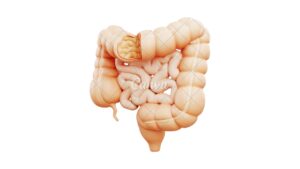
Why SIBO Happens (Root Causes Overview)
SIBO doesn’t typically develop without reason. While the overgrowth itself is the problem, understanding what allowed bacteria to migrate and proliferate in the small intestine is essential for preventing recurrence.
Post-Infectious IBS and Food Poisoning
One of the most common triggers for SIBO is a bout of food poisoning or gastroenteritis. Research suggests that certain bacterial infections can damage the nerves in the gut that control motility (the wave-like contractions that move food through your system). This nerve damage can persist long after the infection clears, creating an environment where bacteria can accumulate in the small intestine.
Studies have shown that toxins produced by bacteria like Campylobacter, E. coli, and Salmonella can trigger an autoimmune response against the body’s own motility-regulating proteins. This helps explain why some people develop chronic digestive issues after a single infection.
Low Stomach Acid
Stomach acid serves as an important first line of defense, killing off bacteria in food before it enters the small intestine. When stomach acid levels are low—whether due to aging, chronic stress, or long-term use of proton pump inhibitors (PPIs)—bacteria have a better chance of surviving the journey into the small intestine.
Impaired Motility
The migrating motor complex (MMC) is a sweeping wave that occurs between meals, clearing debris and bacteria from the small intestine down into the colon. When this “housekeeper wave” is disrupted—by stress, certain medications, diabetes, hypothyroidism, or nerve damage—bacteria can linger and multiply where they shouldn’t be.
Structural Issues
Sometimes physical abnormalities create pockets where bacteria can accumulate. These might include:
- Scarring from surgery
- Adhesions
- Diverticula in the small intestine
- Strictures from Crohn’s disease
- Blind loops created by surgical procedures
Medications and Medical Conditions
Certain medications and health conditions can increase SIBO risk:
- Opioid pain medications (which slow motility)
- PPIs and acid-blocking medications
- Diabetes (which can affect gut nerve function)
- Hypothyroidism
- Parkinson’s disease
- Scleroderma
- Ehlers-Danlos syndrome
Chronic Stress
While stress alone doesn’t cause SIBO, chronic stress impacts gut function in multiple ways. It can slow motility, reduce stomach acid production, alter the gut-brain axis, and affect immune function in the digestive tract. For many people, SIBO develops during or after a particularly stressful life period.
Understanding your root cause isn’t about assigning blame—it’s about addressing underlying dysfunction so that SIBO is less likely to return after treatment.
How SIBO Is Tested
If you suspect SIBO, the most common diagnostic approach is a breath test. While not perfect, breath testing remains the most accessible and non-invasive option for most people.
How Breath Tests Work
SIBO breath tests measure hydrogen and methane gases in your breath after you consume a sugar solution (either lactulose or glucose). Here’s the process:
- You fast overnight to establish a baseline
- You provide initial breath samples
- You drink a solution containing lactulose or glucose
- You provide breath samples every 15-20 minutes for 2-3 hours
- The lab analyzes gas levels to determine if overgrowth is present
When bacteria in the small intestine ferment the sugar, they produce gases that are absorbed into your bloodstream, carried to your lungs, and exhaled. Elevated levels of hydrogen and/or methane at specific time points can indicate SIBO.
Lactulose vs. Glucose
Lactulose testing uses a sugar that isn’t absorbed by the body, allowing it to travel through the entire small intestine. This can detect overgrowth anywhere along the small intestine but may also pick up fermentation from the colon if the test runs too long.
Glucose testing uses a sugar that’s absorbed in the first portion of the small intestine. It’s more specific but might miss overgrowth in the lower sections of the small intestine.
Different practitioners have preferences for which substrate they recommend. Neither is universally superior—each has trade-offs.
At-Home vs. Clinical Testing
Many companies now offer at-home SIBO breath test kits that you can order online. You collect samples at home and mail them to a lab for analysis. These can be convenient and are often less expensive than testing through a clinic, though you’ll want to review results with a knowledgeable practitioner who can interpret them in the context of your full health picture.
Some functional medicine doctors or gastroenterologists offer in-office testing. While less common, small bowel aspirate and culture (collecting fluid directly from the small intestine during an endoscopy) is considered the gold standard but is invasive and rarely performed.
Test Limitations
It’s worth noting that breath tests aren’t perfect. False negatives can occur, and interpretation requires experience. Some people have clear SIBO symptoms but normal breath tests—possibly due to hydrogen sulfide production (which standard tests don’t measure) or other factors.
A skilled practitioner will consider your symptoms, medical history, and test results together rather than relying solely on numbers.
Treatment Options Overview
SIBO treatment typically involves addressing both the overgrowth itself and the underlying factors that allowed it to develop. There’s no single “right” way to approach SIBO, and what works varies from person to person.
Pharmaceutical Approaches
Some individuals work with gastroenterologists or primary care physicians who prescribe antibiotics to reduce bacterial overgrowth. Rifaximin is the most commonly prescribed antibiotic for SIBO because it’s minimally absorbed, meaning it stays concentrated in the gut. For methane-dominant SIBO, rifaximin is sometimes combined with another agent like neomycin or metronidazole.
Antibiotics can be effective at reducing bacterial levels, though research suggests recurrence rates can be significant without addressing root causes. Some people respond well to pharmaceutical treatment, while others find limited benefit or experience side effects.
Herbal Protocols
Many people explore herbal antimicrobial protocols under the guidance of functional medicine practitioners or naturopathic doctors. Research has shown that certain herbal combinations can be as effective as rifaximin for reducing SIBO, though study quality and standardization vary.
Common herbs used in SIBO protocols include berberine-containing plants, oregano, neem, and others with antimicrobial properties. Herbal protocols are typically taken for several weeks and may be rotated or combined depending on SIBO type and individual response.
The Importance of Practitioner Guidance
Whether you pursue pharmaceutical or herbal treatment, working with a knowledgeable practitioner is valuable. SIBO treatment can be nuanced, and what works in one phase might need adjustment as your gut changes. A practitioner can help monitor progress, adjust dosing, and address complications that might arise.
Prokinetics and Motility Support
Because impaired motility is often a root cause, many treatment protocols include prokinetic agents—substances that help stimulate the migrating motor complex. These might be pharmaceutical (like low-dose erythromycin or prucalopride) or natural (like ginger, 5-HTP, or acetylcholine-supporting nutrients).
Taking prokinetics between meals and especially before bed can help prevent bacterial accumulation and reduce recurrence risk.
Addressing Underlying Factors
Successful SIBO management often requires looking beyond just killing bacteria. This might involve:
- Optimizing stomach acid levels
- Managing stress and supporting vagal tone
- Addressing thyroid or blood sugar issues
- Healing the gut lining
- Gradually rebuilding microbiome diversity
What Recovery Often Looks Like
SIBO recovery rarely follows a straight line. Understanding what to expect can help you navigate the process with more patience and less frustration.
The Role of Diet
Diet doesn’t cure SIBO, but it can significantly impact symptom management during treatment. Many people find relief by temporarily reducing fermentable carbohydrates—the foods that feed bacteria and produce gas.
The Low FODMAP diet is a common starting point. FODMAP stands for Fermentable Oligosaccharides, Disaccharides, Monosaccharides, and Polyols. These are short-chain carbohydrates that are readily fermented by bacteria. Reducing high-FODMAP foods can decrease fermentation and ease symptoms while you address the overgrowth.
However, the Low FODMAP diet is meant to be a temporary tool, not a permanent solution. Staying on a restrictive diet long-term can potentially narrow microbiome diversity. The goal is to calm symptoms during treatment, then gradually reintroduce foods as the gut heals.
Some people also explore the Specific Carbohydrate Diet (SCD), SIBO-specific diet, or elemental diets under practitioner supervision. Each approach has different rationales and trade-offs.
Die-Off Reactions
As bacteria are reduced—whether through antibiotics, herbs, or diet changes—they release toxins as they die. This can temporarily worsen symptoms in what’s sometimes called a “die-off reaction” or Herxheimer reaction. Symptoms might include increased fatigue, headaches, brain fog, or digestive upset.
While uncomfortable, this is often a sign that treatment is working. Supporting detoxification pathways, staying hydrated, and moving slowly can help minimize die-off effects.
The Low FODMAP diet is a common starting point. FODMAP stands for Fermentable Oligosaccharides, Disaccharides, Monosaccharides, and Polyols. These are short-chain carbohydrates that are readily fermented by bacteria. Reducing high-FODMAP foods can decrease fermentation and ease symptoms while you address the overgrowth.
The Rebuilding Phase
After reducing bacterial overgrowth, the next phase involves rebuilding gut health. This typically includes:
- Gradually reintroducing diverse foods
- Supporting beneficial bacteria with targeted prebiotics and probiotics
- Healing the intestinal lining with nutrients like L-glutamine, zinc, or bone broth
- Continuing motility support to prevent recurrence
This phase requires patience. Your gut needs time to rebuild resilience after the stress of overgrowth and treatment.
The Emotional Landscape
Living with SIBO can be emotionally taxing. The unpredictability of symptoms, the social isolation that comes with dietary restrictions, and the frustration of setbacks all take a toll. Many people experience anxiety around food, hypervigilance about their bodies, or grief over the spontaneity they’ve lost.
Acknowledging the emotional impact is part of healing. Working with a therapist, connecting with others who understand, or practicing nervous system regulation techniques can support your mental health alongside your physical recovery.
Realistic Expectations
Some people feel significantly better within weeks of starting treatment. Others require multiple rounds of intervention, root cause investigation, and patience. Recurrence is common if underlying factors aren’t addressed, which is why SIBO management is often described as a journey rather than a quick fix.
Progress might look like: fewer bad days, shorter symptom flares, more foods you can tolerate, or simply feeling more in control of your body’s responses. Celebrate these shifts even when they feel small.
When to Seek Medical Care
While SIBO is often manageable with the right support, certain symptoms warrant immediate medical attention:
- Severe abdominal pain
- Blood in stools
- Unexplained rapid weight loss
- Persistent vomiting
- High fever
- Signs of severe dehydration
Additionally, if you’ve been self-managing without improvement, or if your symptoms significantly impact your quality of life, working with a healthcare provider is important. Gastroenterologists, functional medicine doctors, and naturopathic physicians with gut health expertise can offer testing, treatment options, and monitoring that self-care alone cannot provide.
SIBO can coexist with other conditions like inflammatory bowel disease, celiac disease, or endometriosis. A thorough evaluation helps ensure you’re not missing something that requires different treatment.
Even if you prefer natural approaches, having a qualified practitioner in your corner provides accountability, expertise, and safety—especially when experimenting with antimicrobials or significant dietary changes.
Moving Forward with Your Gut Health
If you’ve made it this far, you’ve taken an important step: educating yourself. Understanding what SIBO is, why it happens, and how it’s addressed puts you in a stronger position to advocate for your health and make informed decisions.
Healing your gut isn’t about perfection. It’s about understanding your body’s signals and responding with patience, self-compassion, and consistency. There will be good days and hard days. You’ll learn which foods support you and which don’t. You’ll discover that stress management isn’t optional—it’s foundational. You’ll probably make mistakes, try things that don’t work, and feel frustrated when progress stalls.
And that’s all part of the process.
SIBO can feel overwhelming, especially at the beginning. But with the right information, support, and approach, many people find their way to a place where their gut no longer controls their life. Symptoms can improve. Energy can return. The anxiety around meals can soften.
You don’t have to figure this out alone. Whether you’re just beginning to suspect SIBO or you’ve been managing it for years, connecting with practitioners who understand, building a support network, and staying curious about what your body needs will serve you well.
If you’re ready to take the next step, exploring a Low FODMAP meal plan or working with a practitioner experienced in SIBO can provide structure and support. Your gut has an incredible capacity to heal when given the right conditions. Trust that you can find your way there.
If you found this guide helpful, we’d love for you to share it with someone who might be struggling with similar symptoms. For more practical support on your SIBO journey, explore our Low FODMAP meal plans and gut-healing recipes. You can also follow us on PINTEREST for daily tips, real-talk about gut health, and a community that gets it.
Disclaimer: We are not licensed medical professionals. The information shared here reflects personal healing experience and educational research. Always consult a qualified healthcare provider before making medical decisions.
Table of Contents
Toggle