At home SIBO test kits have become increasingly accessible for people who want answers about their digestive symptoms without waiting weeks for a doctor’s appointment or navigating dismissive medical experiences. Maybe you’ve been told it’s “just IBS” one too many times, or perhaps you’ve spent months searching for a practitioner who takes your bloating and gut issues seriously. You might be scrolling through options at midnight, wondering if ordering a test kit yourself could finally provide the clarity you’ve been seeking.
The appeal of at-home testing is understandable. It offers privacy, convenience, and the ability to take action on your own timeline. But it also raises important questions: How accurate are these tests? What do you do with the results? Can you really navigate SIBO testing without professional guidance?
This article will walk you through what at-home SIBO testing involves, how it works, what to expect, and the considerations that matter when deciding whether this approach is right for you. This isn’t medical instruction—it’s educational context to help you make informed decisions about your gut health.
Table of Contents
ToggleWhat Is an At Home SIBO Test?
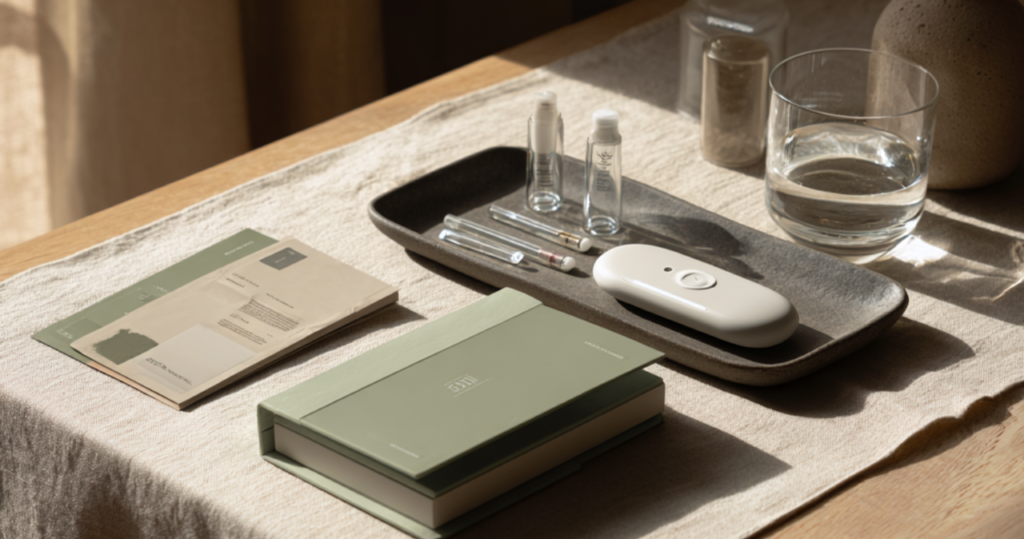
An at home SIBO test is a breath test kit that you can order online (either through a testing company directly or through a healthcare practitioner) and complete in the comfort of your own home. The test measures hydrogen and methane gases in your breath to help assess whether bacterial overgrowth may be present in your small intestine.
How the Testing Process Works
The mechanics of at-home testing are similar to in-office breath testing:
- You receive a test kit containing collection tubes, a substrate solution (either lactulose or glucose), and detailed instructions.
- You prepare for the test by following a specific diet for 24-48 hours beforehand and fasting overnight.
- On test day, you provide an initial baseline breath sample by blowing into a collection tube.
- You drink the substrate solution (a sugar dissolved in water).
- You provide breath samples at regular intervals—typically every 15-20 minutes for 2-3 hours—by blowing into additional collection tubes.
- You package the samples according to instructions and mail them to the lab for analysis.
- Results are sent to you and/or your healthcare provider within 1-2 weeks.
What the Test Measures
SIBO breath tests measure two primary gases:
Hydrogen: Produced by various bacterial species during carbohydrate fermentation. Elevated hydrogen at specific time points may suggest bacterial overgrowth in the small intestine.
Methane: Produced by archaea (methanogens) rather than bacteria. Elevated methane is often associated with constipation and slower gut transit.
The pattern, timing, and degree of gas elevation provide information about whether overgrowth is likely present and which type of organisms may be involved.
Lactulose vs. Glucose Substrates
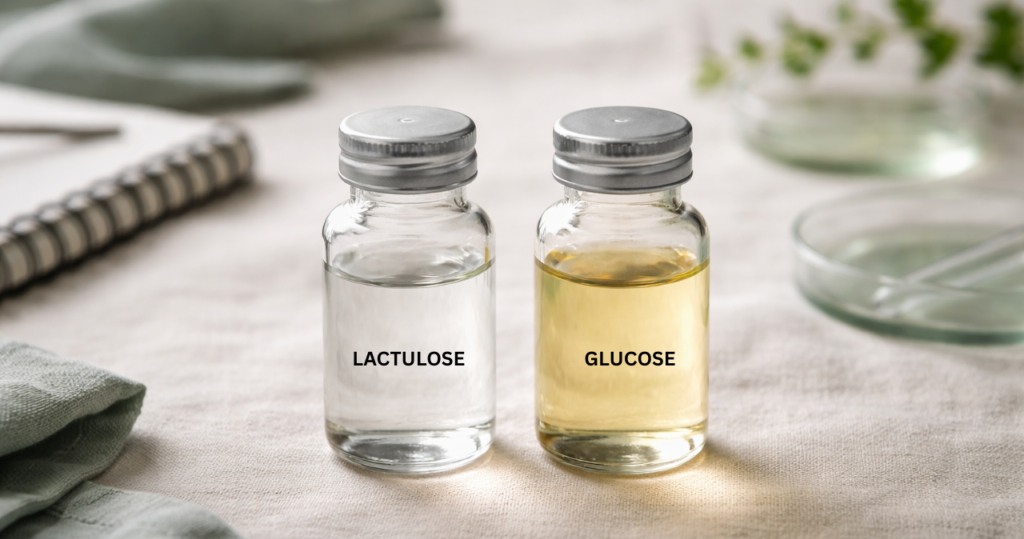
At-home test kits use either lactulose or glucose as the sugar substrate:
Lactulose is a synthetic sugar that isn’t absorbed by the body, allowing it to travel through the entire small intestine. It may detect overgrowth anywhere along the small intestine but can sometimes pick up normal colonic fermentation if interpretation isn’t careful.
Glucose is absorbed in the first portion of the small intestine, making it more specific but potentially missing overgrowth in the lower sections.
Different testing companies and practitioners have preferences for which substrate they use. Neither is universally superior—each has trade-offs in terms of sensitivity and specificity.
Lab Processing and Results
Once your samples reach the lab, technicians analyze the gas concentrations in each tube. Results typically show:
- Hydrogen levels at each time point
- Methane levels at each time point
- Whether readings meet criteria for positive SIBO diagnosis based on the lab’s interpretation framework
Some companies provide results directly to you with basic interpretation. Others send results to a healthcare provider who then reviews them with you in the context of your clinical presentation.
How Accurate Is an At Home SIBO Test?
This is one of the most important questions to address honestly: at-home SIBO testing can provide valuable information, but it’s not perfect.
Testing Accuracy Factors
The accuracy of any SIBO breath test—whether completed at home or in an office—depends on several factors:
Preparation compliance: Following pre-test dietary restrictions and fasting guidelines carefully significantly impacts accuracy. If preparation isn’t followed precisely, results may be less reliable.
Collection technique: Proper breath sample collection matters. The test kit instructions explain how to blow into tubes correctly, but without supervision, there’s potential for user error.
Lab quality: Different labs use different equipment and interpretation criteria. The quality and standardization of the lab processing your samples matters.
Individual variation: Some people produce gases that standard tests don’t measure (like hydrogen sulfide), which can lead to false negatives. Others have rapid or slow gut transit that can affect interpretation.
False Positives and False Negatives
Like all medical tests, SIBO breath testing has limitations:
False negatives can occur when:
- Bacteria present don’t produce significant hydrogen or methane
- Hydrogen sulfide is the dominant gas (which standard tests don’t measure)
- Preparation protocols weren’t followed correctly
- Individual gut transit patterns affect substrate movement
False positives can occur when:
- Normal colonic fermentation is misinterpreted as SIBO (particularly with lactulose)
- Recent dietary intake affects baseline measurements
- Certain breathing patterns affect results
- Rapid transit brings substrate to the colon earlier than expected
Research on Breath Test Accuracy
Studies examining SIBO breath test accuracy show variable results, with sensitivity (ability to detect true positives) and specificity (ability to avoid false positives) ranging widely depending on interpretation criteria used. The gold standard for diagnosing SIBO is technically small bowel aspiration and culture, but this is invasive and rarely performed.
Breath testing emerged as a practical alternative, and while imperfect, it remains one of the most accessible ways to assess potential bacterial overgrowth.
The At-Home Factor
Completing the test at home rather than in a clinical setting doesn’t inherently make it less accurate—you’re using the same type of collection tubes and the same lab processing. However, the at-home environment does mean:
- You’re responsible for following all instructions precisely
- You don’t have real-time support if questions arise during testing
- Timing needs to be self-monitored carefully
- There’s no clinical oversight during the collection process
For some people, this independence is empowering. For others, the structure of in-office testing provides reassurance.
How to Prepare for an At Home SIBO Test
Proper preparation significantly impacts the reliability of your results. While specific protocols vary by testing company, there are common preparation guidelines most at-home SIBO tests require.
Pre-Test Diet (24-48 Hours Before)
Most SIBO breath tests require following a specific diet in the day or two leading up to your test. This typically involves eating simple, easily digestible foods while avoiding those that might feed bacteria or affect baseline gas production.
Common guidelines often include:
Foods typically allowed:
- Plain proteins (chicken, fish, eggs)
- White rice
- Simple cooked vegetables (carrots, zucchini)
- Small amounts of oil or butter
Foods typically avoided:
- High-fiber foods
- Complex carbohydrates
- Fermented foods
- Sugar and sweeteners
- Dairy products
- Legumes
The goal is to reduce bacterial activity before testing so your baseline measurements are as clean as possible.
Fasting Requirements
You’ll typically need to fast for 8-12 hours before beginning your test. This usually means no food or drink (except water) after dinner the night before your morning test. Water is generally allowed and encouraged to stay hydrated.
Medications and Supplements
Certain substances can interfere with test accuracy. While you should never stop prescribed medications without medical guidance, test kits typically recommend avoiding (when medically appropriate):
- Antibiotics for several weeks before testing
- Prokinetics for about a week before
- Herbal antimicrobials (timing varies)
- Probiotics for 24-48 hours before (though this varies by protocol)
- Laxatives or bowel prep medications
Your test kit instructions will specify timing for these items, and you should discuss any concerns about pausing medications with your healthcare provider.
Day-of-Test Guidelines
On test morning, most protocols require:
- No toothbrushing (toothpaste can affect results)
- No smoking
- No chewing gum
- No exercise (can affect breathing patterns)
- Minimal talking during the test to avoid swallowing excess air
Following Instructions Precisely
The detailed instructions included with your test kit are there for a reason. Reading them thoroughly the day before, gathering all supplies, and setting up a quiet space where you can complete the test without interruptions helps ensure accurate sample collection.
If you have questions about preparation, most testing companies offer customer support, though timing can vary. Some people find it helpful to work with a practitioner who can clarify preparation questions in real-time.
Pros and Cons of at Home SIBO Test
Understanding both the advantages and limitations of at-home SIBO testing can help you decide if this approach aligns with your needs.
Advantages of At-Home Testing
Convenience and accessibility:
- Test on your own schedule without taking time off work
- No travel to medical facilities
- Helpful for people in rural areas or those without nearby SIBO-knowledgeable practitioners
- Can order and begin relatively quickly
Privacy and comfort:
- Complete the test in your own environment
- May feel less stressful than a clinical setting
- Control over your surroundings and schedule
Cost considerations:
- Often less expensive than in-office testing
- May be more affordable for people without insurance coverage for SIBO testing
- Transparent pricing without surprise facility fees
Direct access:
- Some companies allow you to order without a practitioner order
- Takes initiative into your own hands when medical care feels inaccessible
Limitations and Considerations
Interpretation complexity:
- Results need professional interpretation in the context of your symptoms
- Numbers alone don’t tell the whole story
- Risk of misinterpreting results without clinical guidance
Insurance coverage:
- Many insurance plans don’t cover at-home testing
- Reimbursement can be difficult to navigate
- Out-of-pocket costs vary by company
Lack of immediate support:
- No real-time guidance during sample collection
- Questions during testing can’t be immediately answered
- Requires self-discipline and attention to detail
Results without context:
- Receiving results without a practitioner can leave you uncertain about next steps
- Treatment decisions still require professional guidance
- May create anxiety if results are unclear
Preparation accountability:
- You’re responsible for following all instructions precisely
- No oversight to ensure preparation compliance
- Potential for user error affecting accuracy
Who Benefits Most from At-Home Testing
At-home testing often works well for people who:
- Have difficulty accessing SIBO-knowledgeable practitioners locally
- Prefer the privacy and convenience of home testing
- Already have a practitioner willing to review results remotely
- Are comfortable following detailed instructions independently
- Want to gather information before pursuing in-person care
Who Might Prefer In-Office Testing
In-office testing might be better suited for:
- People who prefer structured clinical oversight
- Those with complex medical histories requiring real-time supervision
- Individuals who feel more confident with hands-on guidance
- People whose insurance covers in-office testing but not at-home kits
What Happens After You Get Results?
Receiving your test results is just the beginning. Understanding what they mean and what to do next is where professional guidance becomes essential.
Interpreting Hydrogen and Methane Levels
Your results will show hydrogen and methane readings at each time point. General interpretation frameworks suggest:
Elevated hydrogen often indicates hydrogen-producing bacterial overgrowth, frequently associated with diarrhea or loose stools.
Elevated methane suggests methanogen overgrowth (sometimes called IMO—Intestinal Methanogen Overgrowth), commonly associated with constipation.
Both elevated indicates a mixed presentation, which can create alternating bowel patterns or combined symptoms.
Understanding the distinction between hydrogen and methane SIBO can provide insight into why your symptoms present the way they do and inform treatment approaches. The differences between these gas types influence both symptom patterns and protocol selection.
Discussing Results with a Practitioner
Even if you tested at home, reviewing results with a knowledgeable healthcare provider is valuable. They can:
- Interpret results in the context of your full medical history
- Correlate test findings with your symptom patterns
- Recommend appropriate next steps
- Design treatment protocols tailored to your presentation
- Monitor progress and adjust approaches as needed
Some at-home testing companies offer consultation services with practitioners as part of their packages. Others provide results interpretation guides but recommend working with your own healthcare provider.
Exploring Treatment Options
If results suggest SIBO, treatment typically involves:
- Antimicrobial protocols (pharmaceutical antibiotics or herbal approaches)
- Dietary support (often Low FODMAP during treatment)
- Motility interventions to address underlying causes
- Root cause investigation
Treatment decisions should be made in partnership with a qualified practitioner who understands SIBO management. For comprehensive information about natural treatment approaches, antimicrobial protocols, and the phases of SIBO healing, educational resources can provide context for conversations with your healthcare team.
What If Results Are Negative?
A negative test doesn’t necessarily mean nothing is wrong. It might indicate:
- Hydrogen sulfide SIBO (which standard tests don’t measure)
- Small intestinal fungal overgrowth (SIFO) instead of bacterial overgrowth
- Other overlapping conditions causing similar symptoms
- False negative due to testing limitations
This is another reason professional guidance matters—a skilled practitioner can help determine next steps even when testing doesn’t provide clear answers.
When to Consider Professional Support
While at-home testing offers convenience, there are situations where professional involvement becomes particularly important.
Before Testing
Consider working with a practitioner before testing if you:
- Have a complex medical history
- Take multiple medications that might interact with test preparation
- Have severe symptoms requiring immediate medical attention
- Feel uncertain about whether SIBO testing is the right next step
- Want guidance on which substrate (lactulose vs. glucose) is most appropriate for your case
During the Testing Process
Professional support during testing can help if you:
- Have questions about preparation protocols
- Experience concerning symptoms during the test
- Are unsure if you’re collecting samples correctly
- Need accountability and structure
After Receiving Results
Professional interpretation is valuable when:
- Results are unclear or borderline
- You’re not sure how to correlate results with your symptoms
- You need treatment planning and protocol design
- You want monitoring and support through the healing process
- Results are negative but symptoms persist
Finding SIBO-Knowledgeable Practitioners
Several types of healthcare providers work with SIBO:
- Gastroenterologists (particularly those with functional GI interest)
- Functional medicine doctors
- Naturopathic physicians
- Integrative medicine specialists
Look for practitioners who:
- Have specific experience with SIBO testing and treatment
- Are willing to review at-home test results
- Take a comprehensive approach to root cause investigation
- Communicate clearly and respect your questions
Understanding Your Testing Options
Whether you’re considering an at home SIBO test or exploring in-office options, understanding the full picture of how breath testing works helps set realistic expectations. For comprehensive information about SIBO breath testing—including what the test measures, how to prepare, interpretation frameworks, and accuracy considerations—our SIBO breath test guide provides detailed context. And for those weighing substrate options, understanding the differences between lactulose and glucose testing can inform which approach might be most appropriate for your situation.
The relationship between test results and symptom patterns also matters. Understanding hydrogen vs methane SIBO helps explain why certain symptoms present the way they do and how treatment might be tailored based on which gases are elevated.
At-home SIBO testing offers a convenient and accessible entry point for people seeking answers about bacterial overgrowth. It can provide valuable data, especially when professional interpretation follows. The test itself—whether completed at home or in an office—uses the same basic methodology and lab processing.
What matters most isn’t where you complete the test, but what you do with the information afterward. Results should inform—not replace—conversations with qualified healthcare providers who can design appropriate treatment protocols, address root causes, and support your healing journey.
If you’re exploring at-home testing, approach it as one tool in a larger process of understanding your gut health. Read instructions carefully, follow preparation protocols precisely, and plan to discuss results with a practitioner who can provide context and guidance.
For those ready to understand the complete picture of SIBO testing, our full SIBO breath test guide walks through every aspect of the process. To better understand what your results might mean based on which gases are elevated, our hydrogen vs methane SIBO article provides essential context. And for comprehensive information about treatment approaches once testing confirms SIBO, our natural SIBO treatment guide outlines the phases of healing from antimicrobials through rebuilding.
If visual learning helps you process information, we share testing preparation checklists, symptom correlation graphics, and treatment phase breakdowns on Pinterest to complement the written educational content here.
Testing is a step toward clarity—not an endpoint. The real work begins with understanding results and taking informed action with professional support.
Disclaimer: We are not licensed medical professionals. The information shared here reflects personal healing experience and educational research. Always consult a qualified healthcare provider before making medical decisions.