
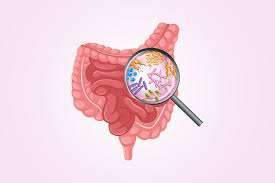
SIBO die off symptoms can be unsettling—especially when you’ve finally started treatment and expected to feel better, not worse. Whether you’re taking antibiotics or following a herbal protocol, you may notice your bloating intensify, fatigue settle in like a heavy blanket, or new headaches and brain fog appear. Instead of relief, you’re lying awake at 2 a.m., searching “is this normal?” and wondering whether your body is healing or signaling that something isn’t right.
The anxiety that comes with feeling worse during treatment is real. You’ve worked hard to get to this point—testing, researching, finding a practitioner, committing to a protocol. The last thing you expected was to feel like you’re backsliding.
Here’s what’s important to understand: SIBO die off symptoms can happen during treatment, but not all symptom flares are die off. Sometimes what feels like a Herxheimer reaction is actually an adverse response to treatment, a dietary change, or your body adjusting to new supplements. Learning to distinguish between temporary die-off and something that requires protocol adjustment is essential for navigating treatment safely.
Table of Contents
ToggleWhat are SIBO Die Off Symptoms?
The term “die off” refers to a temporary worsening of symptoms that can occur when bacteria are killed rapidly during treatment. The clinical term is a Herxheimer reaction, named after the dermatologists who first documented this phenomenon when treating bacterial infections.
The Proposed Mechanism
When large numbers of bacteria die quickly—whether from antibiotics, herbal antimicrobials, or other interventions—they release their cellular contents as they break down. These contents include endotoxins, cell wall fragments, and other bacterial byproducts that weren’t meant to suddenly flood your system.
Your immune system recognizes these byproducts as foreign material and mounts an inflammatory response. This immune activation, combined with the strain on your liver and detoxification pathways as they work to clear these compounds, may create temporary symptoms.
Why It’s Called a Reaction
The Herxheimer reaction was originally identified in the treatment of syphilis and other bacterial infections. Patients would sometimes feel worse shortly after starting antibiotics—developing fever, chills, and flu-like symptoms—before improving. This pattern was eventually understood as the body’s response to massive bacterial die-off.
In SIBO treatment, the same principle may apply, though on a smaller scale and with different symptom patterns.
Important Nuance
SIBO Die-off symptoms is a hypothesis based on what we understand about bacterial endotoxin release and immune response. However, it can be difficult to distinguish die-off from:
- Side effects of the antimicrobials themselves
- Your body adjusting to dietary changes
- Stress or anxiety about treatment
- The treatment simply not being appropriate for your case
- An overlapping condition that needs attention
Not every symptom flare during SIBO treatment is die-off, and that distinction matters.

Common SIBO Die Off Symptoms
If die off is occurring, symptoms are typically temporary and relatively mild. They often emerge within the first few days to a week of starting antimicrobial treatment.
Physical Symptoms
Some individuals notice:
- Fatigue or increased tiredness (often one of the most common complaints)
- Headaches or mild head pressure
- Brain fog or difficulty concentrating
- Increased bloating or abdominal discomfort (sometimes worse than baseline)
- Nausea or mild digestive upset
- Temporary changes in bowel movements (looser stools or slight constipation)
- Mild muscle or joint aches
- Low-grade feeling of being unwell (flu-like sensation without actual illness)
- Skin breakouts or temporary worsening of skin issues
Emotional and Cognitive Symptoms
Die-off isn’t just physical. Some people experience:
- Mood changes or irritability
- Increased anxiety
- Sleep disruption
- Difficulty focusing or mental clarity issues
Key Characteristics of True Die-Off
If what you’re experiencing is die-off, it typically:
- Begins within the first few days of starting treatment
- Is temporary (lasting days, not weeks)
- Gradually improves as your body clears bacterial byproducts
- Doesn’t involve severe or worsening symptoms
- Responds to supportive measures like hydration and rest
Critical Reminder
Not everyone experiences die-off symptoms. Their absence doesn’t mean treatment isn’t working. Their presence doesn’t definitively prove treatment is working. Die-off is one possible response among many during SIBO treatment.
SIBO Antibiotics vs Herbs: Does Die Off Differ?
Whether you’re using pharmaceutical antibiotics like rifaximin or pursuing a herbal antimicrobial protocol, die-off reactions may occur with either approach.
Antibiotics and Die-Off
Pharmaceutical antibiotics work relatively quickly to reduce bacterial populations. Some people report experiencing die-off symptoms within the first few days of starting rifaximin or combination antibiotic protocols.
The rapid bacterial reduction that antibiotics can provide may lead to a more concentrated release of bacterial byproducts over a shorter timeframe. However, this doesn’t mean die-off is guaranteed or more severe with antibiotics—it simply means the timeline might be compressed.
Herbal Protocols and Die-Off
Herbal antimicrobial protocols often work more gradually than pharmaceutical antibiotics. Treatment duration is typically longer (4-8 weeks compared to 10-14 days for antibiotics), and bacterial reduction may happen at a slower pace.
Some individuals find that herbal protocols produce milder or more gradual die-off symptoms, possibly because bacterial populations decrease more slowly. Others experience similar symptom patterns to those on antibiotics. Individual response varies widely based on the specific herbs used, dosing, your gut’s bacterial composition, and your body’s detoxification capacity.
No Definitive “Worse” Option
Neither antibiotics nor herbs inherently cause “worse” die-off. The experience depends on:
- The specific antimicrobials being used
- Your individual bacterial overgrowth severity
- How quickly treatment reduces bacterial populations
- Your body’s ability to process and eliminate bacterial byproducts
- Whether you’re supporting detoxification pathways during treatment
Treatment Response Is Individual
Two people taking the same protocol—whether antibiotic or herbal—may have completely different experiences. One might sail through treatment with minimal symptoms, while another experiences noticeable die-off. This variability is normal and doesn’t indicate that one person is responding better than the other.
How Long Will SIBO Die Off Symptoms Last?
This is one of the most common questions, and the honest answer is: it varies.
Typical Timeline
For those who do experience die-off symptoms, the pattern often looks like this:
- Onset: Usually within the first few days to one week of starting treatment
- Peak: Symptoms may be most noticeable during the first week
- Duration: Often temporary, lasting anywhere from a few days to two weeks
- Resolution: Gradual improvement as bacterial byproducts are cleared
Why Duration Varies
Several factors influence how long die-off symptoms persist:
Severity of overgrowth: More severe bacterial overgrowth may mean more bacterial byproducts to clear when treatment begins.
Detoxification capacity: Your liver and elimination pathways (kidneys, digestive tract, skin) work to clear bacterial toxins. Individual capacity varies.
Treatment intensity: Higher doses or stronger antimicrobial combinations may produce more rapid bacterial die-off.
Support measures: Staying hydrated, supporting liver function, and resting adequately may help your body process byproducts more efficiently.
Individual biology: Everyone metabolizes and eliminates toxins at different rates.
When Symptoms Persist Beyond Two Weeks
If symptoms you’re attributing to die-off continue beyond two weeks or progressively worsen, it’s worth reconsidering whether die-off is actually what you’re experiencing. Persistent symptom worsening may indicate:
- An adverse reaction to the treatment protocol
- Need for dosage adjustment
- An overlapping condition that requires attention
- The treatment approach may not be appropriate for your case
This is when checking in with your healthcare provider becomes important.
Avoid Timeline Expectations
While many people experience resolution within days to two weeks, trying to hold yourself to a specific timeline can create unnecessary anxiety. Your body will process treatment at its own pace.
When It's NOT Die-Off
This is perhaps the most important section of this article. Not every uncomfortable symptom during SIBO treatment is die-off, and some symptoms require immediate medical attention.
Severe Symptoms That Warrant Immediate Care
Contact your healthcare provider or seek medical attention if you experience:
- Severe or worsening abdominal pain (especially if sharp or localized)
- High fever (over 101°F/38.3°C)
- Persistent vomiting that prevents you from staying hydrated
- Blood in stool
- Signs of severe dehydration (dark urine, dizziness, extreme thirst)
- Severe diarrhea that doesn’t improve
- Allergic reactions (hives, difficulty breathing, swelling)
- Chest pain or heart palpitations
These symptoms are not normal die-off and require professional evaluation.
Red Flags for Treatment Adjustment
Even if symptoms aren’t severe enough for emergency care, certain patterns suggest your protocol may need adjustment:
Progressive worsening: If symptoms continuously intensify rather than plateauing or improving after the first week, this isn’t typical die-off.
New severe symptoms: Die-off generally amplifies existing symptoms temporarily. Entirely new and severe symptoms may indicate an adverse reaction.
Complete inability to function: While die-off can be uncomfortable, it shouldn’t completely incapacitate you. If you can’t get out of bed, work, or manage basic daily activities, something else may be happening.
Symptoms that don’t match the pattern: Die-off typically involves fatigue, headache, mild digestive upset, and flu-like feelings. Severe pain, high fever, or dramatic changes suggest something other than die-off.
It Might Be an Adjustment Period, Not Die-Off
Sometimes what feels like die-off is actually your body adjusting to:
- Dietary changes: Starting a Low FODMAP diet simultaneously with treatment can create its own adjustment symptoms
- New supplements: Adding multiple new supplements at once can cause digestive upset unrelated to die-off
- Stress response: Anxiety about treatment can manifest physically
The Importance of Professional Guidance
Working with a practitioner throughout treatment allows for:
- Real-time assessment of whether symptoms are concerning
- Protocol adjustments if needed
- Differentiation between die-off and adverse reactions
- Support and reassurance during the process
Don’t try to tough out severe or worsening symptoms alone.
How to Support Your Body During Treatment
If you’re experiencing what seems like die-off symptoms, there are general supportive measures that may help your body process bacterial byproducts more efficiently.
Hydration
Adequate water intake supports kidney function and helps flush metabolic waste products. Staying well-hydrated is one of the simplest ways to support detoxification during treatment.
Rest and Sleep
Your body does significant healing and processing work during sleep. If you’re experiencing fatigue, honor it when possible. This isn’t the time to push through with intense exercise or overpacked schedules.
Gentle Movement
While intense exercise might feel overwhelming during die-off, gentle movement like walking, stretching, or light yoga can support lymphatic drainage and circulation without overtaxing your system.
Nutrient Support
Ensuring adequate nutrition supports your body’s detoxification pathways. This might include:
- Eating nutrient-dense, easily digestible foods
- Supporting liver function with foods like leafy greens (if tolerated)
- Considering magnesium for muscle aches or sleep support (under practitioner guidance)
- Maintaining electrolyte balance
Binders (With Caution)
Some practitioners recommend binders like activated charcoal to help absorb bacterial toxins in the digestive tract. However, binders should be:
- Used only under practitioner supervision
- Taken away from food and other supplements (as they can bind nutrients and medications too)
- Used temporarily, not long-term
Stress Management
Treatment itself can be stressful. Practices that calm your nervous system—deep breathing, meditation, time in nature, connecting with supportive people—can help your body manage the physical stress of treatment.
Working With Your Practitioner
Your healthcare provider may recommend specific supportive strategies based on your individual presentation. This might include adjusting antimicrobial dosing, temporarily reducing treatment intensity, or adding specific supplements to support detoxification.
The Emotional Side of Treatment
SIBO treatment isn’t just physically challenging—it’s emotionally demanding. Understanding the psychological landscape can help you navigate the process with more self-compassion.
Treatment Anxiety
Starting treatment often brings up anxiety. You’ve been dealing with symptoms for so long, and now you’re taking a step that might help—but also might make things temporarily worse. This uncertainty is normal and understandable.
Fear of Symptoms
If you’ve spent months or years afraid of bloating, digestive unpredictability, or fatigue, experiencing an increase in these symptoms during die-off can be frightening. It can feel like you’re moving backward rather than forward.
Body Trust Issues
When your body feels unreliable—when you can’t predict how you’ll feel from one day to the next—it’s hard to trust signals about what’s normal versus what’s concerning. Die-off adds another layer to this confusion.
The Comparison Trap
Seeing others online who “sailed through treatment” or didn’t experience die-off can create unnecessary self-judgment. Remember that everyone’s bacterial composition, immune response, and detoxification capacity differs.
Permission to Adjust
If treatment feels too intense, you have permission to:
- Talk to your practitioner about reducing dosing
- Take treatment more slowly
- Prioritize rest and self-care
- Ask for support
Healing isn’t a race, and there’s no prize for suffering through unnecessarily difficult treatment.
Understanding Die-Off in the Context of Healing
SIBO die-off symptoms can be uncomfortable, but they’re often temporary and manageable. The key is distinguishing between normal, temporary die-off and symptoms that require medical attention or protocol adjustment.
Not everyone experiences die-off. If you don’t, that’s perfectly fine—it doesn’t mean treatment isn’t working. If you do experience it, understanding that it’s often a short-term phase can help you navigate it with less anxiety.
Most importantly, severe or worsening symptoms are not something to “push through.” They’re signals to check in with your healthcare provider and ensure your treatment protocol is appropriate and safe.
For comprehensive context on how die-off fits into the broader picture of SIBO treatment—including antimicrobial protocols, motility support, dietary strategies, and the rebuild phase—our Natural SIBO Treatment: A Step-by-Step Overview guide walks through each phase of the healing process.
If you find visual learning helpful, we share structured breakdowns of treatment phases, symptom tracking templates, and gut-supportive recipe ideas on Pinterest to complement the educational content here.
Your healing journey is unique. Listen to your body, work with qualified practitioners, and remember that temporary discomfort during treatment doesn’t define your entire recovery path.
Disclaimer: We are not licensed medical professionals. The information shared here reflects personal healing experience and educational research. Always consult a qualified healthcare provider before making medical decisions.